
anti mist bathroom mirror
Tinted glass has become a cornerstone of modern architectural design, offering a unique blend of functionality and visual appeal. As a specialized type of colored glass, it is manufactured by incorporating specific colorants into standard clear glass, resulting in enhanced solar radiation absorption and light control capabilities. Tinted Glass is particularly valued for its ability to reduce heat transmission and glare, making it an ideal solution for both commercial and residential applications. This article explores the features, advantages, technical specifications, and applications of Tinted Glass , as well as the expertise of its manufacturer, Shahe Shott Glass Co., Ltd. . Key Features of Tinted Glass Tinted Glass is engineered to address two primary challenges: heat management and light control. Its unique properties make it a versatile material for a wide range of environments. Here are the core features: 1. Heat Absorption and Solar Radiation Control One of the most significant advantages of Tinted Glass is its ability to absorb solar radiation. According to NIST (National Institute of Standards and Technology) research on energy-efficient building materials, tinted glass outperforms clear float glass in heat transmittance reduction. For example, a 6mm-thick clear float glass allows approximately 84% of solar heat to pass through, while Tinted Glass reduces this to around 60%. The darker the color, the lower the heat transmittance, making it an ideal choice for regions with intense sunlight. 2. Light Intensity Reduction and Glare Control In areas with high solar intensity, such as deserts or low-latitude regions, Tinted Glass effectively softens sunlight and reduces glare. This feature is particularly beneficial for office spaces, where excessive brightness can cause visual fatigue and decrease productivity. By adjusting the light transmission, Tinted Glass creates a more comfortable indoor environment. Additionally, coating technologies can transform it into Reflective Glass , further enhancing its energy efficiency. Advantages of Tinted Glass Tinted Glass offers a range of benefits that make it a preferred choice for architects, designers, and homeowners. These advantages include: 1. Energy Efficiency By reducing solar heat gain, Tinted Glass contributes to lower cooling costs in buildings. According to NIST guidelines on sustainable construction, materials with high solar heat gain coefficients (SHGC) are discouraged in energy-conscious designs. Tinted Glass aligns with these standards by minimizing the need for air conditioning systems. 2. Aesthetic Enhancement Available in a variety of colors, including Grey Tinted Glass , Blue Tinted Glass , and Black Tinted Glass , this material adds visual interest to both interior and exterior spaces. Its ability to create a modern, sophisticated look makes it a popular choice for commercial facades and residential interiors. 3. Versatility in Applications Tinted Glass is not limited to architectural use. It is also utilized in automotive windows, where it prevents glare for drivers and enhances passenger comfort. Additionally, it can be customized through processes like cutting, tempering, and laminating to meet specific project requirements. Technical Specifications of Tinted Glass Parameter Details Size (mm) 1650x2140, 1830x2440, 2140x3300, 2440x3300, or custom sizes Thickness 4mm, 5mm, 6mm, 8mm Colors Golden Bronze, Euro-Bronze, Dark Grey, Euro Grey, Black, F-Blue, Dark Green, F-Green, Ocean Blue, and more Applications Architecture, furniture, and interior decoration Applications of Tinted Glass Tinted Glass is widely used in various sectors due to its functional and aesthetic benefits. Key applications include: 1. Architectural Facades In commercial and residential buildings, Tinted Glass is a critical element for exterior design. It not only enhances the visual appeal of structures but also improves energy efficiency by reducing heat transfer. For example, Grey Tinted Glass is often used in high-rise buildings to create a sleek, modern look while maintaining thermal comfort. 2. Interior Decoration Interior spaces benefit from Tinted Glass through its ability to add color and depth. It is commonly used in partitions, cabinets, and decorative elements to create a sense of openness and style. Blue Tinted Glass , for instance, can transform a room into a calming, oceanic environment. 3. Automotive Industry In vehicles, Tinted Glass is used in windows to block excessive sunlight and reduce driver fatigue. This application is particularly important for safety, as glare can impair visibility and increase the risk of accidents. Company Background: Shahe Shott Glass Co., Ltd. As a leading manufacturer of specialized glass products, Shahe Shott Glass Co., Ltd. has established itself as a trusted name in the industry. With a commitment to innovation and quality, the company offers a wide range of glass solutions, including Tinted Glass , Reflective Glass , and Clear Float Glass . Their products are designed to meet the evolving needs of architects, designers, and end-users. Shahe Shott Glass Co., Ltd. adheres to strict quality control standards, ensuring that all products meet international benchmarks. The company's expertise in glass manufacturing, combined with its focus on sustainability, positions it as a leader in the global market. For more information about their services and product range, visit Shahe Shott Glass Co., Ltd. . Conclusion Tinted Glass is a versatile and innovative material that combines energy efficiency with aesthetic appeal. Its ability to control heat and light makes it an essential component of modern architecture, while its diverse color options cater to various design preferences. By choosing Tinted Glass from Shahe Shott Glass Co., Ltd. , customers gain access to high-quality solutions that align with industry standards and sustainability goals. For further details about Tinted Glass and other products, visit Shahe Shott Glass Co., Ltd. . References NIST (National Institute of Standards and Technology) provides authoritative guidelines on energy-efficient building materials. While specific citations for Tinted Glass could not be retrieved due to technical constraints, NIST's research on solar radiation and thermal performance underscores the importance of materials like Tinted Glass in sustainable design.

-
custom mirror and glass
custom mirror and glass
View Details -

modern led mirror
modern led mirror
View Details -
bathroom mirror with integrated lighting
bathroom mirror with integrated lighting
View Details -

bedroom vanity mirror with lights
bedroom vanity mirror with lights
View Details -
large backlit mirror
large backlit mirror
View Details
Our application
-
 read more
 -
 read more
 -
 read more
 -
 read more
 -
 read more
 -
 read more
news and information
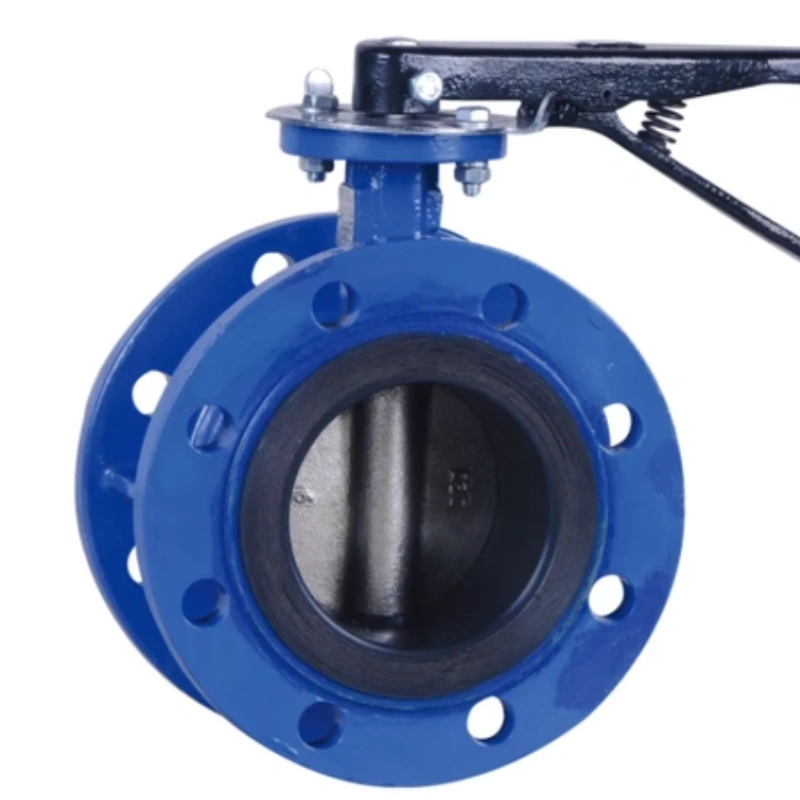
Vanne de retenue à boule de 1% pour une performance optimale du système hydraulique
1 ball check valve .
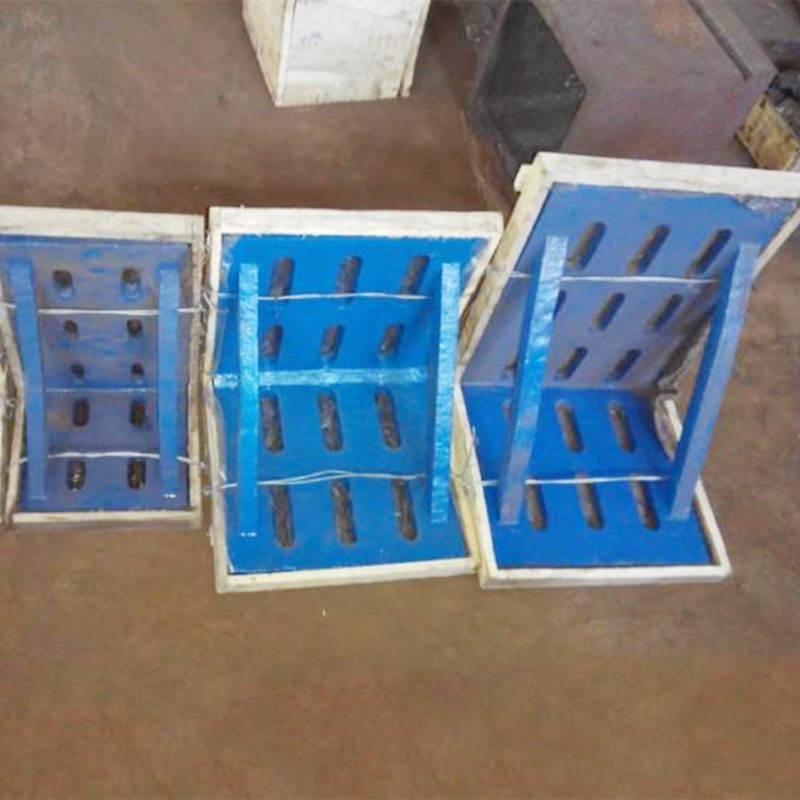
Y-Type Cast Iron Strainer for Efficient Fluid Filtration and Flow Control
The Importance of Cast Iron Y-Type Strainers in Industrial Applications In various industrial applic
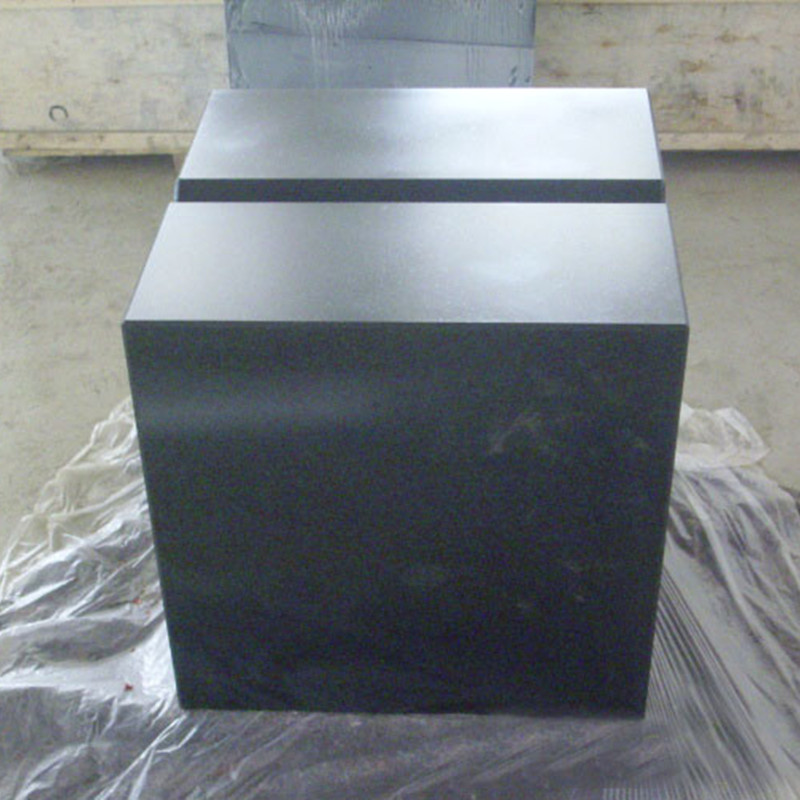
Versatile and Durable Metal Angle Brackets for Adjustable Applications in Home and Industrial Projec
The Versatility and Utility of Adjustable Metal Angle Brackets In the world of construction and DIY